April 26, 2010

Automotive Racing Sues Procomp Motorsports for Trademark Infringement

trademark-attorney-car-automotive-bolts-infringement.jpgLos Angeles, CA - Automotive Racing Products manufactures a wide range of bolts, fasteners, and other parts and accessories for automobiles. In 1975, Plaintiff began using the ARP trademark, which was registered with the USPTO on January 19, 1988. Plaintiff is also the owner of the "2000" trademark, which was registered with the U.S. Patent and Trademark Office on February 10, 2004. Plaintiff alleges that its 2000 and ARP trademarks have become well-known in the automotive industry.

Beginning in 2008, Defendants are accused of selling bolts marked with a "2000" label and the bolts were made to look like Plaintiff's products. Plaintiff also alleges that Defendants falsely represented that their infringing bolts were ARP bolts. Plaintiff contends that Defendants were fully aware of Plaintiff's trademarks and have intentionally infringed the marks to unjustly benefit from Plaintiff's reputation. Plaintiff asserts causes of action for trademark infringement, unfair competition under both the Lanham Act and Cal. Bus. & Prof. Code 17200, and unjust enrichment. The case is Automotive Racing Products, Inc. and Procomp Electronics, Inc., CV10-02884 MRP (C.D. Cal. 2010).

Bookmark and Share

April 13, 2010

FarmVille, Zynga Poker & Mafia Wars Maker Sues PlayerAuctions.com For Trademark & Copyright Infringement

zynga-farmville-trademark-attorney-copyright.jpgLos Angeles, CA – Zynga Game Network is a social gaming company and provides numerous games, such as Zynga Poker, Mafia Wars, FarmVille, YoVille, Cafe World and Word Twist, that are available on Facebook, MySpace, Friendster, iPhone and iPod Touch, among others. Zynga has several pending USPTO trademark applications for its Mafia Wars, Farmville and Yoville trademarks and several copyright registrations for the games as well. Zynga asserts that its games have been a runaway success, with an increase from 1.3 million daily users in July of 2008 to 9.5 million daily users in May of 2009.

When players sign up with Zynga to play the games, they receive a certain amount of virtual currency, which amount can increase through continued play and purchased directly from Zynga. The virtual currency is then used to purchase virtual goods that are used in the games. The “Terms of Service” prohibit the use of virtual currency or goods for real-world money and Zynga does not authorize any third party to sell virtual currency or virtual goods.

In the lawsuit, Zynga accuses Defendant of allowing users to post and sell virtual currency or virtual goods to be used in Znyga’s games on its playerauctions.com website. Zynga claims that in addition to using Zynga’s trademarks without authorization, Defendant profits from the sale of virtual currency and goods by selling them for real-world money in violation of the “Terms of Service” agreement. Further, Defendant is accused of using images of Zynga’s games without authorization, which use infringes its copyrights. The case is Zynga Game Network, Inc. v. Playerauctions.com, CV10-2576 CBM (C.D. Cal. 2010).

Bookmark and Share

April 7, 2010

HBO Executives Bitten By TrueBlood Trademark Lawsuit

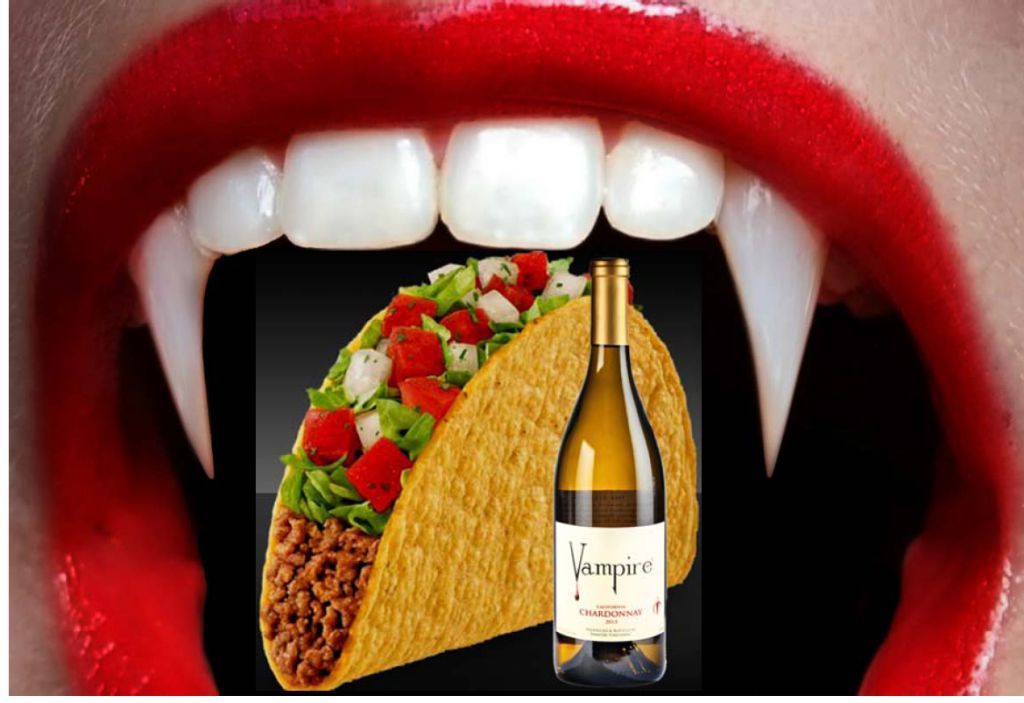
trademark-attorney-trueblood-true-blood-trademark-lawsuit-hbo.jpgLos Angeles, CA – TI Beverage Group, owner of the www.truebloodwine.com website, sued retailer Hot Topic and HBO executives Sophia Chang and James Costas for trademark infringement and unfair competition. TI makes both alcoholic and non-alcoholic beverages and has used Vampire® as its trademark, in addition to other vampire related marks such as Vamp® and Dracola®. In 2009, TI purchased Trueblood Winery, LLC, which had been in business since 2002.

In 2008, HBO televised the True Blood television show in which the characters drink a fictional drink called Tru Blood. TI alleges that Omni Consumer Products entered into a licensing agreement with HBO to manufacture and sell a blood orange drink labeled Tru Blood in September of 2009. TI previously filed suit and notified the defendants of the alleged infringement and after not discovering the products on the shelves, believed that the product had been scrapped. TI alleges that it recently found the Tru Blood products at Hot Topic and filed the instant trademark infringement lawsuit. The case is TI Beverage Group, Ltd v. Hot Topin, Inc. et al., CV10-02089 RGK (C.D. Cal. 2010).

Bookmark and Share

March 29, 2010

Apple Buys iPad Trademark From Fujitsu

trademark-attorney-apple-ipad-bought-trademark-assign-fujitsu.jpgOnly days away from Apple's launch of its new iPad product, it has purchased the iPad trademark from Fujitsu. When Apple announced the product's iPad mark, Fujitsu quickly laid claim to the trademark, which was filed in 2003, but has yet to register. In order to avert any interruption in iPad's distribution, Apple apparently believed it should just purchase the trademark instead of engaging in a protracted trademark battle.

Bookmark and Share

March 25, 2010

“Hey Ya’ll!” Chef Paula Deen Sued For Trademark Infringement Over “Butter Bell”

trademark-attorney-qvc-paula-deen-kitchen-chef.jpgSanta Ana, CA – The Southern-style chef Paula Deen has made “Hey Ya’ll!” her trademark phrase on the Food Network, while refusing to make anything remotely healthy that excludes her beloved butter, cheese, and fried foods. Maybe because of her love of butter, however, she has been sued for trademark infringement for selling cooking accessories under the “Butter Bell” trademark.

Plaintiff registered its Butter Bell® trademark with the U.S. Patent and Trademark Office in 2002, and has since become incontestable. Plaintiff initially used its Butter Bell® mark on ceramic crocks, but has since expanded its line of goods to include gourmet food related products. Plaintiff contends that its Butter Bell® products are sold through numerous channels, including on the Food Network and Paula Deen's own “Cooking with Paula Deen” magazine.

Plaintiff alleges that QVC is a significant customer of its Butter Bell® products, where Paula Deen appeared to promote and market the infringing crock product. Plaintiff further contends that Defendants previously asked the Plaintiff to develop a Butter Bell® product which included a Paula Deen logo. Thus, Plaintiff alleges that Defendants’ infringement is willful and intentional.

Looking on the bright side, being hit with a trademark infringement lawsuit doesn't hurt as bad as getting hit with frozen ham:

The case is L. Tremain, Inc. v. Paula Deen, et al., SACV10-00322 AG (C.D. Cal. 2010).

Bookmark and Share

March 7, 2010

Design Patent and Trademark Lawsuit Filed Against Coca Cola Over Sports Ball Shaped Beverage Bottles

patent-attorney-design-trademark-bottle-gt-beverages-coca-cola.jpgSanta Ana, CA – GT Beverage Company sued The Coca Cola Company for a declaration of no trademark or design patent infringement. BT sells beverages in bottles that are shaped like sports balls including baseballs, basketballs, soccer balls, and golf balls. BT has filed numerous trademark applications with the USPTO to register its various bottle designs.

During the holidays, Coca Cola sells its beverages in spherical bottles shaped to be Christmas tree ornaments. Coca Cola’s bottle shape, however, was itself the subject of a prior claim of infringement by O-Company and OGO USA. In response, Coca Cola filed an opposition proceeding at the TTAB and also filed a declaratory judgment lawsuit in the Middle District of Tennessee. It appears that the parties resolved the dispute by assigning the disputed application and the resultant trademark registration – which is the subject of the instant lawsuit – to Coca Cola.

BT alleges that in September of 2009, Coca Cola sent a cease and desist letter charging infringement of the trade dress bottle design and Design Patent No. D554,523. BT responded by using Coca Cola’s previous stance against it by denying that Coca Cola had an exclusive right to round shaped bottles for beverage products. The parties’ inability to resolve the dispute resulted in this lawsuit. The case is GT Beverage Company, LLC v. The Coca Cola Company, SACV10-00209 JVS (C.D. Cal. 2010).

Bookmark and Share

March 4, 2010

Upper Deck To Pay MLB To Settle Trademark Infringement Lawsuit

trademark-attorney-major-league-baseball-sues-upper-deck-infringement-contract-license.pngNew York -- Upper Deck will reportedly pay MLB a "substantial sum" in addition to $2.4 million to settle the trademark infringement and breach of contract lawsuit, according to Reuters. On January 31, 2010, Major League Baseball Properties sued the Upper Deck Company for trademark infringement, trademark dilution, unfair competition, and breach of contract because Upper Deck continued to print baseball trading cards after its license was terminated. Details blogged here.

It appears that Upper Deck learned from its long and drawn out court battle with Konami. Only after the California District Court ruled that Upper Deck counterfeited hundreds of thousands of Yu-Gi-Oh! trading cards, did Upper Deck decide to settle on the first day of trial. Details here. Conversely, by settling early with MLB, Upper Deck can avoid possible adverse rulings and focus on reviving its business.

The case is Major League Baseball Properties, Inc. v. The Upper Deck Company, LLC, 10-cv-732-RWS (SDNY 2010).

Bookmark and Share

February 21, 2010

Red, Red Wine Trademark Infringement Goes To My Head

trademark-attorney-wine-winery-santa-barbara.jpgLos Angeles, CA – Santa Barbara Winery sued Foster’s Wine Estates for trademark infringement, unfair competition and cancellation of trademark registration. Plaintiff alleges that it has used the “Santa Barbara Winery” trademark since 1962, but has not – for almost 50 years – sought to register its trademark with the USPTO. Plaintiff should have read our article. The Defendant, on the other hand, has immediately sought to register its “Santa Barbara Wine Company” trademark with the USPTO, which mark shall shortly register on the Supplemental Register. Defendants would have also benefited from our article by selecting a strong trademark that would immediately register on the Principal Register.

Plaintiff alleges that “in using the mark and label ‘Santa Barbara Wine Company’ in connection with wine offered for sale in commerce, Defendant has intentionally sought to infringe upon Plaintiff’s Santa Barbara Winery trademark, to cause confusion and mistake amongst consumers, the trade, and those who come into post-purchase contact with its goods, as to whether its goods are connected, affiliated or associated with Plaintiff, and to re-direct confused consumers to products Defendants are selling that are not affiliated with Plaintiff.”

I only recently learned that the UB40 “Red Red Wine” song was actually written by Neil Diamond. Here’s Neil Diamond’s version:


I enjoy UB40’s version more:

The case is Santa Barbara Winery, Inc. v. Foster’s Wine Estates Americas Company, CV10-1026 JHN (C.D. Cal. 2010).

Bookmark and Share

February 19, 2010

Court Dismisses Carroll Shelby’s Trademark and Trade Dress Lawsuit Against Factory Five Racing

trade-dress-infringement-lawsuit-type-65-coupe-factory-five-kit-carroll-shelby.bmpCar racing legend Carroll Shelby sued Factory Five Racing in California last year for trademark and trade dress infringement (details here). The District Court in Los Angeles granted Factory Five’s motion and transferred the case to Massachusetts (details here and here). The Massachusetts District Court has now dismissed Shelby’s Daytona Coupe trade dress action with prejudice (it cannot be re-filed) and has dismissed the rest of the complaint without prejudice. The Court, however, declined to dismiss Shelby’s lawsuit against co-defendant Internet Community Partners, LLC – doing business as ffcobra.com. (Order is available here).

With respect to the Daytona Coup trade dress infringement claim, the Court held that it was barred by doctrine of res judicata and the terms of the settlement agreement:

In this case, the settlement agreement resolved the Type 65 trade dress claims and did not bar FFR from using the Type 65 kits, which have apparently not broadened or changed in the intervening years. Under the settlement agreement, “Shelby dismisse[d] with prejudice all claims that have been asserted or could have been asserted relative to the trade dress or designs of FFR’s kits, including but not limited to the kits known as the 427 Roadster and the Type 65 Coupe.” (FFR’s Mem., Ex. B ¶ 9 (emphasis added).) Shelby’s argument that the first suit only involved the 427 S/C contradicts the plain language of the settlement, which dismissed all claims “relative to the trade dress or designs of FFR’s kits” involving Factory Five’s Type 65 Coupe, not merely those relating to the trade dress of the 427 S/C. Moreover, the Final Judgment included numerous, specific references to both the name and design of the Daytona Coupe.

As to the rest of Shelby’s trademark and unfair competition claims, the Court dismissed them because Shelby failed to provide proper notice and opportunity to cure as mandated by the settlement agreement, but because Factory Five alleges that it has removed all hyperlinks and metatags complained of, refiling should be futile:

In light of Shelby’s failure to comply with the notice and cure provision of the settlement agreement, the remaining claims against it will be dismissed without prejudice to provide the requisite thirty day opportunity to cure and allow the parties a chance to resolve this dispute in accordance with it.

Internet Community Partners did not fare as well at this early stage of litigation, but it appears that the Court indicated that defendants have a valid First Amendment and fair use defense:

To be sure, use of a name in a forum may be in good faith or protected by the First Amendment. However, when all reasonable inferences are drawn in Shelby’s favor, dismissal on that basis is not warranted at this early stage of the litigation.

The case is Carrol Shelby et al. v. Factory Five Racing, Inc. et al., 09-CV-10281-PBS (D.Mass. 2009).

Bookmark and Share

February 15, 2010

Dr. Dre Sues Death Row Records, Now Owned By A Trademark Attorney – That’s Gangsta

trademark-attorney-dr-dre-death-row-records-world-class-wreckin-cru.jpgLA, CA – Dr. Dre, whose real name is Andre Young, sued the new Death Row records for trademark infringement, breach of contract, violation of the right of publicity, and unfair competition. The complaint claims that nothing has changed at Death Row: “meet the new boss, same as the old boss” and alleges:

Whether you get thugged or the check just doesn't come, it's all the same -- someone else has your money. And whether it's a platitude-spouting, self-proclaimed soccer mom or a supposed gangster who isn't paying you, it doesn't change the fact that you're not getting paid. Read the complaint here.

The rap star and record producer co-founded Death Row records in 1991 with Marion “Suge” Knight and began the gangsta rap movement. Few, however, remember Dr. Dre’s “less Gangsta” side when he was on the turntables for the World Class Wreckin Cru – but I digress. The parties verbally agreed that in exchange for payment of royalties to Dr. Dre, Death Row received a non-exclusive license to release sound recordings that he produced, composed and/or performed on. Dr. Dre’s first record release under the Death Row label was “The Chronic” in 1992, which was a huge success.

By 1996, Dr. Dre wanted to "escape" Death Row and entered into a written agreement where Dr. Dre would relinquish his 50% ownership interest in Death Row and assign all copyrights in his recordings. However, the copyrights were assigned to the extent that the “master recordings shall only be distributed in the manners heretofore distributed.” In return, Death Row agreed to pay royalties to Dr. Dre from the sales of the sound recordings that he wrote, produced, or performed on. The transfer included other smash hits such as Doggystyle, Murder Was the Case, and Above the Rim.

In 2006, Death Row filed for Chapter 11 bankruptcy protection and at the bankruptcy auction in January of 2009, Wideawake Entertainment, whose CEO is a trademark attorney, purchased Death Row’s assets. The complaint alleges that in the Spring of 2009, Defendants were put on notice that the “1996 Agreement prohibited defendants from releasing The Chronic in any manner in which it was not distributed prior to the 1996 Agreement.” Dr. Dre further alleges that defendants brazenly ignored the agreement and released an album and DVD entitled The Chronic Re-Lit & From the Vault. The release of “Re-Lit” is “a calculated breach of the 1996 Agreement; a willful violation of plaintiff’s rights to his name and likeness, and his trademark, “Dr. Dre”…; and a fraud on the public…”

Dr. Dre also claims that Defendants have breached the agreements by failing to pay him royalties since 1996, by digitally distributing The Chronic, and including his recordings in a compilation album entitled “Death Row’s Greatest Hits.”

Does “fear for your life” excuse a thirteen-year delay in filing a breach of contract lawsuit and overcome the statute of limitations issue? Subpoena Vanilla Ice regarding negotiations with Mr. Knight.

The case is Andre Young v. Wideawake Death Row Entertainment, LLC et al., CV10-01019 CAS (C.D.Cal. 2010).

Bookmark and Share