June 14, 2010

Here’s Looking At Humphrey Bogart’s Right of Publicity and Trademark Infringement Lawsuit

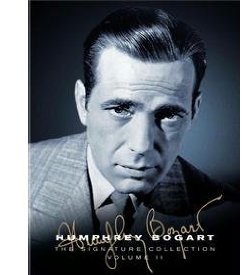
trademark-right-publicity-humphrey-bogart-furniture.jpgLos Angeles, CA – Humphrey Bogart appeared in more than seventy motion pictures, including classics such as Casablanca, The Maltese Falcon, and The African Queen. Bogart, LLC, the plaintiff in the case, is the successor-in-interest of all intellectual property rights and assets associated with Humphrey Bogart, which rights were acquired from his children. Bogart owns a USPTO trademark registration for the trademark “BOGART” for use in connection with the sale of furniture. Bogart has previously licensed the trademark to Thomasville for a line of furniture products using the name and the trademark “Bogart.”

Defendants Plummers, Inc., Scandinavian Desings, Inc. and Dania , Inc. are allegedly affiliated companies that are accused of using the name and trademark “Bogart” without authorization in connection with a line of furniture. Plaintiff claims that Defendants advertising used the “Bogart” trademark along with copy referencing a “great retro design” and in a “deco style” to create a false association because it conjures up memories of the “style in the 1940’s and 50’s when Humphrey Bogart was the world’s most popular, acclaimed and sought-after motion picture actor.” Plaintiff asserts causes of action for misappropriation of right of publicity (Cal. Civ. Code §3344.1), trademark infringement, unfair competition under the Lanham Act, and trademark dilution. The case is Bogart, LLC v. Plummers, Inc. et al., CV10-4151 GAF (C.D. Cal. 2010).

Bookmark and Share

June 9, 2010

Court Dismisses Dr. Dre’s Lanham Act & Right Of Publicity Claims Against Death Row

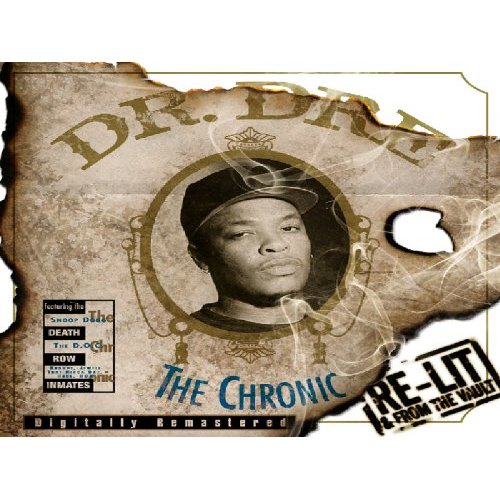
lanham-act-right-publicity-dr-dre-chronic-relit-court-dismiss.jpgLos Angeles, CA – Dr. Dre sued the new Death Row records for breach of contract, trademark infringement, false advertising, violation of the right of publicity, and unfair competition. Details blogged here, and read the complaint here. Dr. Dre alleged that he’s owed royalties on his music album “The Crhonic,” and others, and that defendants have released a “remastered” version of the album, “The Chronic Re-Lit & From the Vault”, as well as a “Greatest Hit” album without his permission.

The Court denied the motion as to the breach of contract and constructive trust causes of action. The Court, however, dismissed the Lanham Act causes of action because the Court noted that Dr. Dre did not plead that the alterations made to the work were substantial enough to trigger the “Monty Python” rule. Gilliam v. American Broadcasting Cos., Inc., 538 F.3d 14, 18 (2d Cir. 1976) (editing of “Monty Python” show for television broadcast constituted authorship or endorsement of a substantially modified version of the work to constitute trademark infringement). The Court continued:

As to plaintiff’s allegation that defendants have used his name and likeness, including the original photograph from the jacket cover of “The Chronic,” the Court finds that these allegations fail to state a claim that defendants have over-represented plaintiff’s contribution to “Re-Lit,” given that defendants accurately identify plaintiff as the author of the original masters and that defendant used a substantially same photograph from the original album jacket cover, and did not use a current picture so to imply that plaintiff recently contributed to the re-issued album.

Similarly, the Court dismissed the right of publicity claim because “plaintiff has failed to sufficiently allege that defendants’ use of his name and likeness is more than incidental to the protected publication of his albums, and thus defendants’ use is protected by the First Amendment. See Page v. Something Weird Video, 960 F. Supp. 1438, 1442-43 (C.D. Cal. 1996) (finding that defendant’s use of plaintiff’s likeness was protected by the First Amendment because the advertisement was incidental to the protected publication of the film videos).”

The unfair competition claim was also dismissed because the elements are similar to a trademark infringement claim under the Lanham Act. See Acad. of Motion Picture Arts & Scis. v. Creative House Promotions, Inc., 944 F.2d 1446, 1457 (9th Cir. 1991) (“An action for unfair competition under Cal. Bus. & Prof. Code §§ 17200 et seq. is substantially congruent to a trademark infringement claim under the Lanham Act.”). Order available here.

The dismissal was without prejudice subject to an amended complaint being filed within 30 days. The case is Andre Young v. Wideawake Death Row Entertainment, LLC et al., CV10-01019 CAS (C.D.Cal. 2010).

Bookmark and Share

February 15, 2010

Dr. Dre Sues Death Row Records, Now Owned By A Trademark Attorney – That’s Gangsta

trademark-attorney-dr-dre-death-row-records-world-class-wreckin-cru.jpgLA, CA – Dr. Dre, whose real name is Andre Young, sued the new Death Row records for trademark infringement, breach of contract, violation of the right of publicity, and unfair competition. The complaint claims that nothing has changed at Death Row: “meet the new boss, same as the old boss” and alleges:

Whether you get thugged or the check just doesn't come, it's all the same -- someone else has your money. And whether it's a platitude-spouting, self-proclaimed soccer mom or a supposed gangster who isn't paying you, it doesn't change the fact that you're not getting paid. Read the complaint here.

The rap star and record producer co-founded Death Row records in 1991 with Marion “Suge” Knight and began the gangsta rap movement. Few, however, remember Dr. Dre’s “less Gangsta” side when he was on the turntables for the World Class Wreckin Cru – but I digress. The parties verbally agreed that in exchange for payment of royalties to Dr. Dre, Death Row received a non-exclusive license to release sound recordings that he produced, composed and/or performed on. Dr. Dre’s first record release under the Death Row label was “The Chronic” in 1992, which was a huge success.

By 1996, Dr. Dre wanted to "escape" Death Row and entered into a written agreement where Dr. Dre would relinquish his 50% ownership interest in Death Row and assign all copyrights in his recordings. However, the copyrights were assigned to the extent that the “master recordings shall only be distributed in the manners heretofore distributed.” In return, Death Row agreed to pay royalties to Dr. Dre from the sales of the sound recordings that he wrote, produced, or performed on. The transfer included other smash hits such as Doggystyle, Murder Was the Case, and Above the Rim.

In 2006, Death Row filed for Chapter 11 bankruptcy protection and at the bankruptcy auction in January of 2009, Wideawake Entertainment, whose CEO is a trademark attorney, purchased Death Row’s assets. The complaint alleges that in the Spring of 2009, Defendants were put on notice that the “1996 Agreement prohibited defendants from releasing The Chronic in any manner in which it was not distributed prior to the 1996 Agreement.” Dr. Dre further alleges that defendants brazenly ignored the agreement and released an album and DVD entitled The Chronic Re-Lit & From the Vault. The release of “Re-Lit” is “a calculated breach of the 1996 Agreement; a willful violation of plaintiff’s rights to his name and likeness, and his trademark, “Dr. Dre”…; and a fraud on the public…”

Dr. Dre also claims that Defendants have breached the agreements by failing to pay him royalties since 1996, by digitally distributing The Chronic, and including his recordings in a compilation album entitled “Death Row’s Greatest Hits.”

Does “fear for your life” excuse a thirteen-year delay in filing a breach of contract lawsuit and overcome the statute of limitations issue? Subpoena Vanilla Ice regarding negotiations with Mr. Knight.

The case is Andre Young v. Wideawake Death Row Entertainment, LLC et al., CV10-01019 CAS (C.D.Cal. 2010).

Bookmark and Share

January 17, 2010

Shaquille O’Neal Files “SHAQTUS” Trademark Infringement Lawsuit In Las Vegas

las-vegas-nevada-trademark-attorney-shaqtus-shaquille-oneal-trademark-infringement.jpgLas Vegas, NV – Shaquille O’Neal has had numerous nicknames throughout his NBA basketball career. But his SHAQTUS nickname, which he assumed when he was traded to the Phoenix Suns in 2008, has become the prickly subject of a trademark infringement, cybersquatting, and right of publicity lawsuit. O’Neal has exclusively licensed his “Shaq” trademarks and his name, image, and likeness to his Mine O’Mine, Inc. corporation – the Plaintiff in the case.

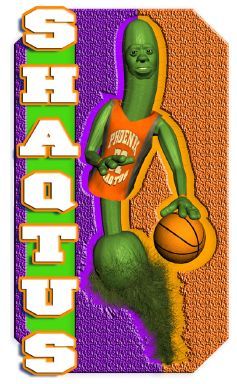
Michael Calmese, Dan Mortensen, and their True Fan Logo, Inc. are the named defendants. On the day that Shaquille was traded to Phoenix, Mortensen registered the domain name and, shortly thereafter, the domain name. Defendants’ website features a cactus character that allegedly has O’Neal’s facial features and wears an orange number 32 basketball jersey – Shaq’s number with the Suns. Defendants sell clothing and other products bearing the SHAQTUS trademark and/or the character.

In 2008 and 2009, ESPN aired commercials featuring O’Neal and a cactus with O’Neal’s facial features. On December 4, 2009, Defendant Calmese allegedly sent a letter to ESPN claiming ownership of the SHAQTUS trademark and proposing a joint-development business arrangement to resolve the dispute. On December 29, 2009, Plaintiff’s counsel sent a cease and desist letter to Defendants demanding the transfer of the domain names. On January 4, 2010, Defendant Calmese responded and allegedly claimed that O’Neal consented to his use of the SHAQTUS mark when O’Neal agreed to take a picture with Calmese and autograph a T-shirt.

The case is Mine O’Mine, Inc. v. Calmese, et al., CV10-00043 KJD (D.Nev. 2010).

Bookmark and Share

December 12, 2009

Jury Finds For Larry Flynt/Hustler On Trademark Infringement, But For Nephews On Rights Of Publicity

trademark-attorneys-fees-larry-flynt-collection-3344-rights-publicity.jpgLos Angeles, CA – Larry Flynt sued his former employees and nephews, Jimmy Flynt, Jr. and Dustin Flynt, for trademark infringement for using the family name in their upstart pornography company. Details blogged here. Larry Flynt also made a claim for violation of his rights of publicity under California Civil Code § 3344. On January 9, 2009, the Court preliminarily enjoined the nephews from using the “FLYNT” mark alone with the distribution of adult material, but allowed the nephews to use their first names in association with their family name on the same products. Details blogged here.

After a three day jury trial, Larry Flynt may have won the battle, but lost the war. LA Time article, here. The jury agreed that the use of the last name FLYNT alone was likely to confuse consumers as to the source of the adult related material and a permanent injunction will issue against the nephews. No monetary damages were sought for the trademark infringement claim. The jury, however, sided with the nephews on Larry’s rights of publicity claim, which contains a mandatory attorneys’ fees provision for the prevailing party. Thus, it looks like Larry will have to pay the nephews’ attorneys’ fees incurred in their defense of the §3344 claim, which they are likely to pursue since Larry allegedly fired their father in retaliation for the sons’ use of the family name. The case is Larry C. Flynt v. Flynt Media Corporation, et al., CV 09-00048 AHM, CV09-8796 JC (C.D. Cal. 2009).

Bookmark and Share