 Los Angeles Intellectual Property Trademark Attorney Blog


Los Angeles, CA – Copyright infringement and breach of contract lawsuit was filed by Fox against Warner Bros over “The Watchmen” motion picture that is currently under production. Fox alleges that it has “exclusive copyright and contract rights in the motion picture property entitled ‘The Watchmen,’ including Fox’s exclusive rights to produce and develop the picture and to distribute the work throughout the world.” Fox acquired all motion picture rights to The Watchmen, between 1986 to 1990, through a series of contracts with the author of the comic book or graphic novel, and subsequent screenplays by authors Charles McKeown and Sam Hamm. Certificates of Registration for the Copyrighted work were received from the U.S. Copyright Office. The case is titled Twentieth Century Fox Film Corp. v. Warner Bros. Entertainment, Inc., CV08-889DDP (C.D. California).
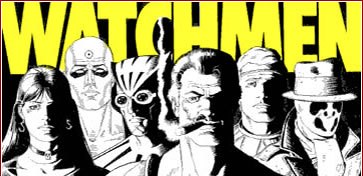 In 1991, Fox entered into an agreement with Largo International, whereby Fox quitclaimed certain of its rights in The Watchmen, but “expressly preserved, reserved and/or granted to Fox various rights, including exclusive rights to distribute the first motion picture based on The Watchmen.” Producer Lawrence Gordon was a joint venturer in Largo, and when he withdrew in 1993, Largo assigned, transferred and conveyed to Golar all of its rights in The Watchmen. In 1994, Fox and Gordon entered another agreement which required Fox to be paid a buy-out amount if The Watchmen movie was produced, in addition for profit participation of 2.5 percent of 100 percent of net profits on each motion picture, remake or sequel.
Fox’s lawsuit alleges that neither Gordon nor Warner Bros has paid Fox the buy-out amount, nor advised Fox of additional terms required under the contract. Fox also alleges that it had a separate agreement with Warner Bros regarding The Watchmen motion picture, which is also being breached, and that Warner Bros is fully aware that it does not have clear title to the work. Warner Bros is denying that Fox has any rights in The Watchmen project and refused to cease development of the motion picture. The complaint sets for the following five causes of action: (a) Copyright Infringement, 17 U.S.C. §§ 101 et seq., (b) tortious interference with contract, (c) breach of contract, (d) accounting, and (e) declaratory relief.
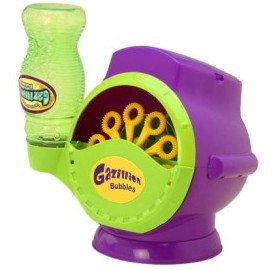 The complaint alleges that the Aahs defendants manufacture and sell bubble machines which are substantially copied from the plaintiff’s “Gazillion Bubble Machine and box packaging and Defendants Aahs’ bubble bottle and wand is substantially copied from and contains the same physical appearance and features as the trade dress of” Plaintiff’s products or is a reproduction, counterfeit, copy, or colorable imitation thereof. Plaintiff further alleges that that defendants’ infringing product “is likely to, was intended to, and did cause confusion or mistake or to deceive the relevant trade and the public into believing that the” infringing product is “sponsored by, authorized by, associated with, originates from, and/or is in some way connected with or licensed by Plaintiff.” Plaintiff continues that the infringement was willful and intentional to trade upon plaintiff’s goodwill and reputation and asks for enhanced damages and attorneys’ fees. Plaintiff also asserts causes of action for Lanham Act unfair competition Section 43(a), and unfair competition under California Business and Professions Code § 17200. The case is titled: Funrise, Inc. v. Bhasin Enterprises, Inc., CV08-01117 DSF (C.D. California February 20, 2008).
 Tom Gramatis was one of the original defendants in the 2002 lawsuit and settlement agreement and he has recently built two additional buildings with rooftop seating. The Cubs allege that Gramatis breached their settlement agreement by not paying the agreed upon royalties and has not paid any royalties for the new buildings. Interestingly, the Cubs have dropped their dubious copyright infringement claim from this lawsuit – undoubtedly a lesson learned from 2002 – and only assert that Gramatis is infringing on the Cubs’ trademarks and falsely advertising an association with the team in his promotional material and website. The Cubs allege that “Defendants’ marketing efforts are, and have been, likely to cause confusion, to cause mistake or to deceive as to, inter alia, the affiliation, association or connection between Defendants and the Cubs and the Cubs’ approval or sponsorship of Defendants’ business activities.”
 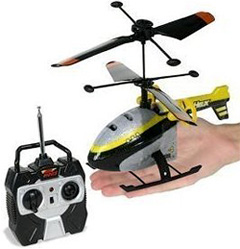 The defendants, Soft Air USA, Inc. and a subsidiary of Sports Authority, are accused of copying and selling toy helicopters that infringe on Plaintiffs’ Air Hogs® Havoc Heli™ Helicopter’s patents and copyrights. Plaintiffs allege that Defendants’ helicopters are identical to the Air Hogs® Havoc Heli™ Helicopter that “Defendants’ knock off helicopters were recently recalled after an investigation by the Consumer Product Safety Commission in response to consumer complaints that the rechargeable battery packs were catching fire.” Plaintiffs continue that they were “bombarded with calls from customers who mistakenly believed that Defendants’ inferior and dangerous knock off product was made by Silverlit.” Plaintiffs allege that customers believed that the Defendants’ voluntarily recall included the Air Hogs® Havoc Heli™ Helicopter and returned the genuine product to Plaintiffs. The case is styled as: Silverlit Toys Manufactoy, LTD v. Soft Air USA, Inc., CV08-01053 JFW (C.D. California).
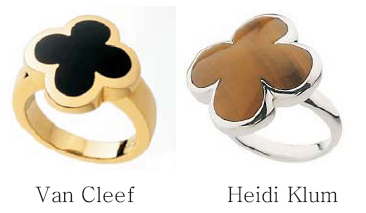 Van Cleef alleges that defendants intentionally and willfully copied the Alhambra designs, which mainly feature a four leaf clover. Van Cleef continues that defendants, by appropriating the goodwill built up by plaintiff are causing confusion in the market place, in that consumers are often confused between the plaintiff’s designs and those of defendants.
 On February 4, 2008, the Court denied most of Microsoft’s requests. The Court ruled that it was not persuaded that Microsoft did not breach its agreement and that Veritas had presented enough evidence to establish its trade secret rights in the private interfaces and other information. The Court also noted that Veritas had provided credible evidence of bad faith, one in the form of an email summarizing a statement by one of Microsoft’s managers on the project, who admitted that:
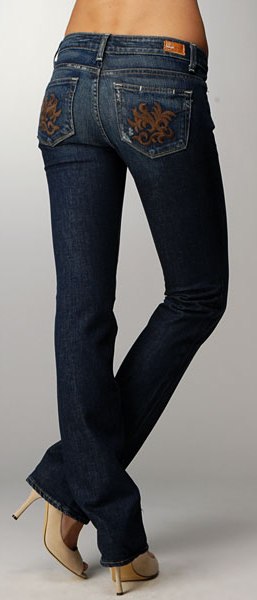 The complaint alleges that in disregard of Paige’s exclusive rights in the designs, Mervyn’s is copying the copyrighted stitching designs and confusingly similar designs. Paige also contends that Mervyn’s conduct was willful and intentional and that Mervyn’s products are of inferior quality. The lawsuit sets forth five causes of action and seeks a preliminary injunction and a permanent injunction of Defendants’ alleged conduct: