October 27, 2011

Power Rangers Halloween Costumes Morph Into Copyright And Trademark Infringement Suit

halloween-costumes-copyrightable-copyright-trademark-lawsuit-power-rangers-pink.jpgSaban Entertainment originally created the “Power Rangers” live action children’s television series in 1993, where several teenagers would morph from ordinary people into powerful superhero characters wearing color-coded battle suits. The colors also served as each character’s name, e.g. the Pink or Blue Rangers. Plaintiff alleges that the “television series has been immensely popular with young audiences all around the world. To date, it has been broadcast over 19 seasons, spawned two theatrical films, and become a highly valuable merchandising franchise.”

To protect its intellectual property, Plaintiff has copyrighted the artwork and design of the Power Rangers uniforms (“Uniform Copyrights”) and also owns the copyrights in the television series where they are depicted. In addition, Plaintiff has copyrighted the characters in a style guide that is provides to authorized licensees. Further, Plaintiff is the owner of numerous USPTO trademark registrations incorporating the “Power Rangers” word mark and several USPTO registered trademarks for the Power Rangers character images.

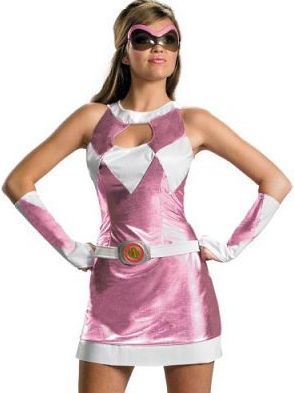
Plaintiff accuses Underdog Endeavors, Inc. of advertising and selling Halloween costumes (one image shown here) on its www.mypartyshirt.com site that infringe Plaintiff’s “intellectual property rights relating to the popular ‘Power Rangers’ television series, brand, and related products.” In addition to the copyright and trademark infringement claims, Plaintiff brings causes of action for trademark dilution and unfair competition under Section 43(a) of the Lanham Act.

As a side note, Underdog’s placement of the allegedly infringing products on its website should constitute sufficiently widespread advertising activity to trigger coverage under its Commercial General Liability Insurance (“CGLI”) policy, which policy was hopefully in place before the alleged infringement began. Hyundai Motor Am. v. Nat'l Union Fire Ins. Co., 600 F.3d 1092 (9th Cir. 2010). Most CGLI policies have an advertising injury provision under which copyright, trade dress, and sometimes trademark infringement claims are covered and the insurance company has a duty to pay attorneys’ fees and costs to defend the insured against such claims.

Are Halloween costumes copyrightable because they are garments, you ask? Although a broad category of creative works are eligible for copyright protection, the Copyright Act, however, excludes any “useful article” (e.g. clothing) – defined as “an article having an intrinsic utilitarian function that is not merely to portray the appearance of the article or to convey information” – from copyright protection. Thus although garments as a whole are not eligible for copyright protection, the individual design elements – for example a floral graphic applied to the fabric – may be copyrightable. In Chosun, the Second Circuit held that Halloween costumes may be copyrightable if the design elements are separable from the overall function of the costume as clothing. Chosun Int’l, Inc. v. Chrisha Creations, Ltd., 413 F.3d 324 (2d Cir. 2005).

The case is SCG Power Rangers, LLC v. Underdog Endeavors, Inc., CV11-08485 JHN (C.D. Cal. 2011).

May 17, 2011

DC Shoes Sues Over OG Kush Trademark, Parody Defense Likely

trademark-parody-defense-dc-shoes-dg-kush-marijuana-lawyer.jpgSanta Ana, CA – Apparel and footwear manufacturer DC Shoes, Inc. owns several USPTO registered trademarks for DC Shoes logos and DCSHOECOUSA. DC Shoes contends that through its widespread use and advertisements of its products, the marks have become famous. Owning trademarks, however, doesn’t mean you should always sue purported infringers that have a valid parody defense that can possibly invite public backlash.

DC Shoes accuses IQ 185 of operating an online store – www.notforpot.com – that sells marijuana-related apparel and accessories, including T-shirts and hats bearing allegedly infringing trademarks. The accused logos, pictured here, “include the interlocking letters ‘O’ and ‘G’ and a [marijuana] leaf, and ‘OGKUSHUSA’.” (Definition of kush, here.) Plaintiff claims that it sent a cease and desist letter to Defendant regarding the allegedly infringing products, but Defendant ignored DC Shoes’ demand. So DC thought it would be a good idea to file a lawsuit for trademark infringement, dilution, and unfair competition to attract more attention to Defendant’s sale of products that are protected by the First Amendment and the parody defense.

Two recent cases illustrate that a parody defense can be successfully used and sometimes provide the defendants with more positive publicity than the plaintiff imagined. In Louis Vuitton v. Haute Diggity Dog the appellate court sided with a parody pet product maker that used clever names such as Chewy Vuiton, Bark Jacobs, Sniffany & Co., and Dog Perignon. In another David v. Goliath battle, The North Face unwisely sued a high school kid for selling garments under the witty South Butt trademark. Not content with harassing a kid with a trademark lawsuit, The North Face wanted further bad publicity by overzealously attacking him and his father during depositions. In the end, however, the South Butt case settled and the kid was allowed to continue selling his T-shirts, butt but not without providing an amusing response to the complaint.

At the heart of every trademark case is consumer confusion, i.e. no confusion = no infringement. Does DC Shoes seriously believe that consumers purchasing weed parody T-shirts from defendant's website are likely to be confused that they're purchasing DC Shoes products? The case is DC Shoes, Inc. v. IQ 185 Apparel, SACV11-00721 AG (C.D. Cal. 2011).

February 27, 2011

Trademark Infringement Lawsuit Against eBay Sellers’ Candyshell Cases For Electronics

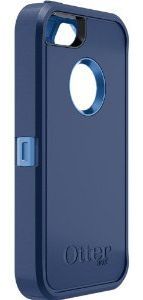
trademark-sue-ebay-sellers-candyshell-speck-speculative-design-cases.pngLos Angeles, CA – Speck Products manufactures carrying cases for electronic devices, including the iPad, iPhone, iPod, and Blackberry. The products are sold bearing the Speck® or Candyshell® trademarks. Last week, Speck filed numerous trademark infringement and unfair competition lawsuits against numerous eBay sellers alleging sales of counterfeit electronic device cases. Plaintiff alleges that “Defendants use images and names confusingly similar or identical to Plaintiff’s Marks to confuse consumer and aid in the promotion and sales of its unauthorized and counterfeit product.”

One of the numerous cases is Speculative Product Design, Inc. v. PPG Enterprize, CV1100160 VBF (C.D. Cal. 2011).

January 25, 2011

Solid 21 Sues Rolex Over Red Gold Trademark On Watches & Jewelry

watch-trademark-jewelry-lawsuit-infringement-red-gold-rolex.jpgLos Angeles, CA – Rolex must be seeing red after being sued by Solid 21 for trademark infringement for using “red gold” on, you’ll never guess, red gold jewelry. But Rolex isn’t alone and can commiserate with the other 13 or so other defendants that Solid 21 is simultaneously suing for using what appears to be a generic term. Red gold, also known as rose gold, is made by alloying gold with copper. Although Solid 21’s trademark registration (see here) discloses that “red gold” is used on “fine jewelry made of a special alloying of gold with a distinct color made into fine jewelry”, it does not disclose that red gold is used on red gold jewelry. I don’t think Solid 21 can beat the Egyptian mummies’ first use date for “red gold” jewelry. See here.

The case is Solid 21, Inc. v. Rolex Watch USA, Inc., CV11-0449 GAF (C.D. Cal. 2011).

January 7, 2011

Monster Cable Files Numerous Trademark Lawsuits Against eBay Sellers Of Monster Electronic Products

monster-cable-trademark-infringement-lawsuit-los-angeles-california-court.jpgLos Angeles, CA – Trademark bully Monster Cable, as it has been anointed by others here and here, seems to be on a trademark infringement lawsuit rampage against eBay sellers of monster products. Maybe the slew of trademark lawsuits is in response to the court’s denial of the temporary restraining order in its and Beats Electronics’ design patent lawsuit against Fanny Wang Headphone company.

Whatever the reason, it’s interesting that among the six causes of action for trademark infringement, dilution, etc., there is no cause of action for trademark counterfeiting. Even more so when the complaint alleges that Monster Cable’s private investigator purchased the items on eBay, they were tested, and deemed to be counterfeit: “Defendant has, without the consent of Plaintiff, offered to sell and sold within the United States (including within this judicial district) goods that were neither made by Plaintiff nor by a manufacturer authorized by Plaintiff (such goods are hereafter referred to as “Counterfeit Goods”).” Maybe Monster Cable’s perplexing strategy will crystallize as the cases proceed to trial, assuming the eBay sellers can afford to mount a defense against this alleged trademark bully.

The case is Monster Cable Products, Inc. v. Wireovia, LLC et al., CV10-10010 DSF (C.D. Cal. 2010).

November 15, 2010

Fox Sues Renegade Classics for Infringing Sons of Anarchy Copyright and Trademarks

copyright-infringement-sons-of-anarchy-tv-show.jpgLos Angeles, CA – Fox is the owner of all copyrights in its “Sons of Anarchy” television show airing on FX. The dramatic television series follows a notorious outlaw motorcycle club battling outside threats to protect its livelihood “while ensuring that their simple, sheltered town of Charming, California remains exactly that – charming.” The complaint asserts that “Sons of Anarchy” is the most-watched scripted original series on cable television, surpassing the Emmy and Golden Globe award-winning series “Nip/Tuck” and “The Shield” with an average of 3.1 million weekly viewers. Not surprisingly, Fox sells show related merchandise and has a registered USPTO trademark for “Sons of Anarchy” and several pending applications.

Fox claims that in August of 2009 it discovered Defendants were selling clothing incorporating the Sons of Anarchy trademark and Grim Reaper design at the annual Sturgis Motorcycle Rally in South Dakota. In response to Fox’s cease and desist letter, Defendants claimed that the “shirts did not sell and it was a complete waste of my time.” In the spring of 2010 Fox discovered the same defendants allegedly selling infringing items through the www.supportsoa.com website. In response to another C & D letter, Defendants claimed that they had simply forgotten to take the site down and they had not sold any merchandise. Fox then asserts that a few months later it discovered that Defendants were attempting to sell infringing products to Fox’s potential distributors, including Harley-Davidson stores. Fox further alleges that Defendants have recently sold infringing products at their own physical stores. Fox was forced to sue for copyright and trademark infringement and unfair competition. The case is Twentieth Century Fox Film Corporation v. Renegade Classics, et al. CV10-8565 SVW (C.D. Cal. 2010).

September 27, 2010

Chronic Tacos Gets Trademark Infringement Munchies

trademark-attorney-tacos-chronic-infringement-lawsuit.jpgSanta Ana, CA – Chronic Tacos Enterprises (“CTE”) is a franchisor of Mexican food restaurants under its Chronic® and Chronic Tacos® trademarks. Defendants are alleged to be former temporary licensees at the Huntington Beach location, which license was terminated when CTE’s founders ceased being shareholders in the Huntington Beach location. CTE alleges that Defendants have failed to execute a franchise agreement to operate the location, thus necessitating the lawsuit. The case is Chronic Tacos Enterprises, Inc. v. Chronic Tacos Huntington Beach, Inc. et al., SACV10-01414 DOC (C.D. Cal. 2010).

September 20, 2010

Pepsi Sues SPE Trading For Importing Into U.S. Gray Market Manzanita Sol® From Mexico

US-trademark-attorney-gray-market-manzanita-sol-pepsi-USA-mexico.jpgLos Angeles, CA – Pepsi’s subsidiary owns the Manzanita Sol® trademark that is used on apple flavored soft drinks. Manzanita Sol® is Pepsi’s second most popular brand in Mexico. Pepsi has sold in the U.S. millions of dollars worth of Manzanita Sol® sodas through its authorized bottlers.

Pepsi accuses SPE Trading of importing soft drinks manufactured in Mexico bearing the Pepsi® and Manzanita Sol® trademarks that Pepsi does not authorize for sale in the U.S. Pepsi alleges that the Mexican product sold by SPE is materially different in many respect from authorized products sold in the U.S., e.g. the Mexican product does not comply with the labeling regulations of the Food and Drug Administration. Pepsi alleges that in response to a cease and desist letter, SPE had previously agreed to stop importing and selling the gray market product. But based upon alleged recent purchases of the gray market Manzanita Sol® product, Pepsi filed the instant trademark infringement and dilution action. The case is Pepsico, Inc. et al. v. SPE Trading, Inc., CV10-6833 DDP (C.D. Cal. 2010).

PRACTICE NOTE: U.S. trademark owners can prevent the importation and/or sale of gray goods that are “materially different” from those sold in the U.S. In determining what is considered “materially different,” 19 C.F.R. § 133.2(e) provides the following non-exclusive considerations: "(1) The specific composition of both the authorized and gray market product(s) (including chemical composition); (2) Formulation, product construction, structure, or composite product components, of both the authorized and gray market product; (3) Performance and/or operational characteristics of both the authorized and gray market product; (4) Differences resulting from legal or regulatory requirements, certification, etc.; [and] (5) Other distinguishing and explicitly defined factors that would likely result in consumer deception or confusion as proscribed under applicable law." Also, PepsiCo, Inc. v. Pacific Produce, Ltd., 2000 U.S. Dist. LEXIS 12085 (D. Nev. 2000) cites cases where failure to comply with FDA labeling regulations constituted a material difference.

August 22, 2010

Food Network Sued For Stealing Idea For Private Chefs Of Beverly Hills & Trademark Infringement

idea-submission-attorney-private-chefs-trademark-infringement.jpgLos Angeles, CA – Private Chefs, Inc. is suing Food Network for stealing the recipe for the successful show “Private Chefs of Beverly Hills” in an idea submission, trademark infringement, and unfair competition case. Plaintiff is the owner of a USPTO registration for its design mark “PCI Private Chefs, Inc.”, which registered in 2006. Plaintiff alleges that in April of 2002 its president pitched a show idea to Food Network titled “Celebrity Dish”, which premise involved private chefs that worked for celebrities and wealthy individuals explaining recipes on air along with the celebrities and individuals.

Although Food Network declined Plaintiff’s concept, it’s alleged that in April 2010 Defendants began broadcasting “Private Chefs of Beverly Hills.” Plaintiff alleges that the “concept of the Show is close to if not exactly the same as ‘Celebrity Dish.’” The complaint continues, “[t]he Show also blatantly infringes on Plaintiff’s federally registered trademark ‘Private Chefs’ and this infringement has caused substantial consumer confusion, particularly in light of the fact that Plaintiff’s principal office is in Beverly Hills.” The case is Private Chefs, Inc. v. Food Network, Inc. et al., CV10-6159 CBM (C.D. Cal. 2010).

August 9, 2010

Court Denies GT’s Motion To Dismiss Coca Cola’s Trademark Infringement Counterclaims

patent-attorney-design-trademark-bottle-gt-beverages-coca-cola.jpgSanta Ana, CA – GT Beverage Company sued The Coca Cola Company seeking Court judgment that its sports-themed shaped bottles did not infringe Coke’s trademark and design patent. Details blogged here. Coke filed counterclaims for trademark infringement and GT moved to dismiss them based on the doctrine of judicial estoppel, which prevents a party from assuming a contrary position after that party “assumes a certain position in a legal proceeding, and succeeds in maintaining that position.” New Hampshire v. Maine, 532 U.S. 742, 756 (2001).

Coke obtained its USPTO trademark registration for a sphere bottle design via a global settlement of several legal proceedings (two in Belgium, one in The Netherlands, one in Spain, and two in the U.S.) with a third-party, O-Company N.V. In those cases, Coke asserted arguments of invalidity, non-infringement, and fair use in response to O-Company’s allegations. Based on Coke’s prior litigation stance, GT filed the motion to dismiss on the grounds that judicial estoppel precludes Coke from asserting its trademark infringement claims against GT.

The Supreme Court outlined three factors to consider when applying judicial estoppel: (1) whether a party’s current position is clearly inconsistent with its previous position; (2) whether the court accepted the party’s previous position, such that there is the perception that either the first or second court was misled; and (3) whether the party would gain an unfair advantage or impose an unfair detriment on the opposing party by asserting its inconsistent position. New Hampshire, 532 U.S. at 750-51.

The Court held that Coke’s secondary meaning arguments were not inconsistent because Coke argued that O-Company had not established secondary meaning, not that another company could not establish secondary meaning. Likewise, the likelihood of confusion position is not inconsistent because “whether GT’s use of the sphere bottle is likely to cause confusion with [Coke’s] bottle requires considering facts that are specific to GT’s use of the mark. The likelihood of confusion between GT and [Coke’s] sphere bottles is an issue that is independent of whether consumers are likely to confuse O-Company with [Coke’s] sphere bottles.”

GT raised three arguments regarding the judicial acceptance factor. First, GT argued that Coke’s favorable settlement with O-Company constitutes judicial reliance. Second, the Commercial Court of Brussels’ decision satisfies the judicial acceptance prong. Third, GT argued that judicial estoppel may apply even without judicial acceptance of a prior inconsistent position.

The Court was not moved. Regarding the settlement argument, the Court distinguished GT’s cases because they involved court-approved settlements. The Court gave some hope to GT regarding the Brussels Court’s decision of invalidity; however, at this early stage it declined to decide whether the Brussels Court could serve as a basis for judicial estoppel. GT’s third argument was rejected by the Court because the case relied upon involved the same parties that had previously litigated royalty claims over a 13 year period.

The Court also held that the unfair advantage prong did not favor GT at the pleading stage because GT still “has the opportunity to refute and disprove these claims.”

A copy of the order is available here.

The case is GT Beverage Company, LLC v. The Coca Cola Company, SACV10-00209 JVS (C.D. Cal. 2010).