August 5, 2010

Moroccanoil Sues For Trademark Infringement Over Hair Care Products

trademark-attorney-hair-care-beauty-salon-oil-conditioner.jpgLos Angeles, CA – Moroccanoil manufactures “salon only” hair care products under its Moroccanioil®, “M Moroccanoil Design” and “Vertical Moroccanoil M Design” trademarks, which are all registered with the USPTO. Through its distribution arrangements Moroccanoil restricts the sale of its products to professional salons and licensed cosmetologists.

Defendant Beauty Encounter is accused of selling counterfeit Moroccanoil products through the www.beautyencounter.com and www.perfumeshop.com websites. Plaintiffs allege that they conducted chemical testing of Defendant’s products and determined that they had “distinctly different chemical and physical properties that do not match genuine Moroccanoil Oil Treatment.” Further, the complaint states that because Defendants cannot legitimately obtain genuine products from authorized distributors, “Defendants encourage Moroccanoil distributors and salons to cheat Plaintiffs by encouraging the distributors to order more Moroccanoil Products than the distributor or any salon needs. The excess Moroccanoil Products are then sold, directly or indirectly, to Defendants.” Thus, in addition to the trademark related claims, Plaintiffs assert interference with contractual relations and prospective advantage claims. The case is Moroccanoil, Inc. v. Beauty Encounter, Inc., CV10-5696 SVW (C.D. Cal. 2010).

Bookmark and Share

May 26, 2010

Court Grants Preliminary Injunction In “I Love You Phillip Morris” Movie Copyright Case

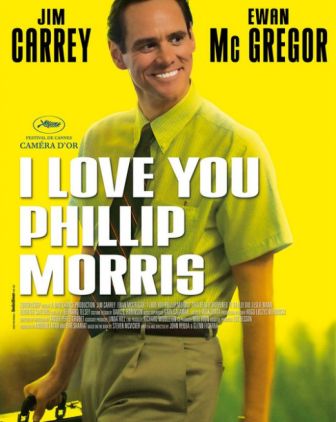
copyright-attorney-preliminary-injunction-i-love-you-phillip-morris.jpgLos Angeles, CA – EuropaCorp, the motion picture studio behind the “I Love You Phillip Morris” movie, was granted a preliminary injunction in its copyright infringement and breach of contract lawsuit against the distributor Consolidated Pictures Group. Consolidated Pictures had been granted all U.S. domestic distribution rights in the movie, but had allegedly failed to make timely payments under the agreements. Details blogged here.

The Court enjoined Consolidated Pictures from publicly displaying or exhibiting any portion of the movie and attempting to negotiate agreements regarding the distribution, exhibition, or exploitation of the movie. Order available here.

The case is EuropaCorp v. Consolidated Pictures Group, Inc., et al., CV10-2917 DSF (C.D. Cal. 2010).

Bookmark and Share

May 3, 2010

EuropaCorp Sues Consolidated Pictures Over Distribution Of “I Love You Phillip Morris” Movie

copyright-attorney-film-movie-europacorp-consolidated-pictures.jpgLos Angeles, CA – EuropaCorp is a French motion picture studio that produced the feature film “I Love You Phillip Morris,” starring Jim Carrey and Ewan McGregor. In a May 8, 2009 agreement, EuropaCorp licensed to Consolidated Pictures all domestic distribution rights in the movie, including all theatrical, home video, and television rights. In exchange, Consolidated Pictures was to pay a $3 million advance. After the licensing agreement was executed, EuropaCorp alleges that it delivered the movie and marketing materials; however, a dispute arose between the parties as to the timing of delivery. The dispute was addressed by the execution of an amendment to the license agreement in February of 2010.

EuropaCorp now contends that Defendants have breached the agreement by failing to make the installment payments towards the $3 million advance. As a result, EuropaCorp rescinded the agreement and sought return of the movie and marketing materials. EuropaCorp alleges that Defendants have refused to return the movie or acknowledge the rescission of the distribution rights. Thus, the instant copyright infringement and breach of contract suit was filed. The case is EuropaCorp v. Consolidated Pictures Group, Inc., et al., CV10-2917 DSF (C.D. Cal. 2010).

Here's the trailer:


Bookmark and Share

April 13, 2010

FarmVille, Zynga Poker & Mafia Wars Maker Sues PlayerAuctions.com For Trademark & Copyright Infringement

zynga-farmville-trademark-attorney-copyright.jpgLos Angeles, CA – Zynga Game Network is a social gaming company and provides numerous games, such as Zynga Poker, Mafia Wars, FarmVille, YoVille, Cafe World and Word Twist, that are available on Facebook, MySpace, Friendster, iPhone and iPod Touch, among others. Zynga has several pending USPTO trademark applications for its Mafia Wars, Farmville and Yoville trademarks and several copyright registrations for the games as well. Zynga asserts that its games have been a runaway success, with an increase from 1.3 million daily users in July of 2008 to 9.5 million daily users in May of 2009.

When players sign up with Zynga to play the games, they receive a certain amount of virtual currency, which amount can increase through continued play and purchased directly from Zynga. The virtual currency is then used to purchase virtual goods that are used in the games. The “Terms of Service” prohibit the use of virtual currency or goods for real-world money and Zynga does not authorize any third party to sell virtual currency or virtual goods.

In the lawsuit, Zynga accuses Defendant of allowing users to post and sell virtual currency or virtual goods to be used in Znyga’s games on its playerauctions.com website. Zynga claims that in addition to using Zynga’s trademarks without authorization, Defendant profits from the sale of virtual currency and goods by selling them for real-world money in violation of the “Terms of Service” agreement. Further, Defendant is accused of using images of Zynga’s games without authorization, which use infringes its copyrights. The case is Zynga Game Network, Inc. v. Playerauctions.com, CV10-2576 CBM (C.D. Cal. 2010).

Bookmark and Share

March 4, 2010

Upper Deck To Pay MLB To Settle Trademark Infringement Lawsuit

trademark-attorney-major-league-baseball-sues-upper-deck-infringement-contract-license.pngNew York -- Upper Deck will reportedly pay MLB a "substantial sum" in addition to $2.4 million to settle the trademark infringement and breach of contract lawsuit, according to Reuters. On January 31, 2010, Major League Baseball Properties sued the Upper Deck Company for trademark infringement, trademark dilution, unfair competition, and breach of contract because Upper Deck continued to print baseball trading cards after its license was terminated. Details blogged here.

It appears that Upper Deck learned from its long and drawn out court battle with Konami. Only after the California District Court ruled that Upper Deck counterfeited hundreds of thousands of Yu-Gi-Oh! trading cards, did Upper Deck decide to settle on the first day of trial. Details here. Conversely, by settling early with MLB, Upper Deck can avoid possible adverse rulings and focus on reviving its business.

The case is Major League Baseball Properties, Inc. v. The Upper Deck Company, LLC, 10-cv-732-RWS (SDNY 2010).

Bookmark and Share

February 15, 2010

Dr. Dre Sues Death Row Records, Now Owned By A Trademark Attorney – That’s Gangsta

trademark-attorney-dr-dre-death-row-records-world-class-wreckin-cru.jpgLA, CA – Dr. Dre, whose real name is Andre Young, sued the new Death Row records for trademark infringement, breach of contract, violation of the right of publicity, and unfair competition. The complaint claims that nothing has changed at Death Row: “meet the new boss, same as the old boss” and alleges:

Whether you get thugged or the check just doesn't come, it's all the same -- someone else has your money. And whether it's a platitude-spouting, self-proclaimed soccer mom or a supposed gangster who isn't paying you, it doesn't change the fact that you're not getting paid. Read the complaint here.

The rap star and record producer co-founded Death Row records in 1991 with Marion “Suge” Knight and began the gangsta rap movement. Few, however, remember Dr. Dre’s “less Gangsta” side when he was on the turntables for the World Class Wreckin Cru – but I digress. The parties verbally agreed that in exchange for payment of royalties to Dr. Dre, Death Row received a non-exclusive license to release sound recordings that he produced, composed and/or performed on. Dr. Dre’s first record release under the Death Row label was “The Chronic” in 1992, which was a huge success.

By 1996, Dr. Dre wanted to "escape" Death Row and entered into a written agreement where Dr. Dre would relinquish his 50% ownership interest in Death Row and assign all copyrights in his recordings. However, the copyrights were assigned to the extent that the “master recordings shall only be distributed in the manners heretofore distributed.” In return, Death Row agreed to pay royalties to Dr. Dre from the sales of the sound recordings that he wrote, produced, or performed on. The transfer included other smash hits such as Doggystyle, Murder Was the Case, and Above the Rim.

In 2006, Death Row filed for Chapter 11 bankruptcy protection and at the bankruptcy auction in January of 2009, Wideawake Entertainment, whose CEO is a trademark attorney, purchased Death Row’s assets. The complaint alleges that in the Spring of 2009, Defendants were put on notice that the “1996 Agreement prohibited defendants from releasing The Chronic in any manner in which it was not distributed prior to the 1996 Agreement.” Dr. Dre further alleges that defendants brazenly ignored the agreement and released an album and DVD entitled The Chronic Re-Lit & From the Vault. The release of “Re-Lit” is “a calculated breach of the 1996 Agreement; a willful violation of plaintiff’s rights to his name and likeness, and his trademark, “Dr. Dre”…; and a fraud on the public…”

Dr. Dre also claims that Defendants have breached the agreements by failing to pay him royalties since 1996, by digitally distributing The Chronic, and including his recordings in a compilation album entitled “Death Row’s Greatest Hits.”

Does “fear for your life” excuse a thirteen-year delay in filing a breach of contract lawsuit and overcome the statute of limitations issue? Subpoena Vanilla Ice regarding negotiations with Mr. Knight.

The case is Andre Young v. Wideawake Death Row Entertainment, LLC et al., CV10-01019 CAS (C.D.Cal. 2010).

Bookmark and Share

February 2, 2010

Major League Baseball Sues Upper Deck For Trademark Infringement And Unfair Competition Over Baseball Trading Cards

trademark-attorney-major-league-baseball-sues-upper-deck-infringement-contract-license.pngNew York -- Major League Baseball Properties sued the Upper Deck Company for trademark infringement, trademark dilution, unfair competition, and breach of contract because Upper Deck continues to print baseball trading cards after its license was terminated. A copy of the complaint is available here. MLBP pulls no punches and extensively refers to the recent Court ruling that Upper Deck counterfeited hundreds of thousands of Yu-Gi-Oh! trading cards, its agreement to a multi-million dollar settlement and permanent injunction (details here).

MLBP ended its twenty-year relationship with Upper Deck and entered into an exclusive agreement with Topps "to use the MLB trademarks on trading cards for retail distribution beginning on January 1, 2010." MLBP also alleges that Upper Deck failed to pay in excess of $2 Million under its prior licensing agreement. "Notwithstanding the expiration of the Upper Deck License Agreements as of October 31, 2009, and the absence of any new license from MLBP authorizing the use of the MLB Marks, Upper Deck has begun manufacturing, distributing, offering for sale, and selling at least three trading card sets featuring cards using the MLB Marks, including, without limitation, the MLB Uniform Trade Dress and MLB Caps and Helmet Logos." In addition to monetary damages, MLBP seeks to enjoin Upper Deck's manufacture and sale of the 2009 Signature Stars Series, 2009 Ultimate Collection Series, and 2010 Unauthorized Series I trading cards.

All may not be lost for Upper Deck, however, because it could rely on the denial of preliminary injunction ruling in the similarly situated Pacific Trading Card case. The case is Major League Baseball Properties, Inc. v. The Upper Deck Company, LLC, 10-cv-732-RWS (SDNY 2010).

Bookmark and Share

January 10, 2010

Court Rules That Upper Deck Sold Counterfeit Yu Gi Oh! Cards

UPDATE 1/27/2010: Upper Deck settles Yu Gi Oh! counterfeiting case. Details here.

trademark-attorney-yu-gi-oh-counterfeit-upper-deck.pngLos Angeles, CA – Yu Gi Oh! owner Konami sued Upper Deck, its former distributor, for selling counterfeit trading cards. (Details here) After hearing both parties’ motions for summary judgment, the Court found that Konami had “presented evidence to establish every element of liability [for] counterfeit activity and violation of federal unfair competition law, pursuant to the Lanham Act, on the part of the [Upper Deck] Defendants.” (Order available here) The Court also found that Upper Deck was liable for common law trademark infringement and California unfair competition under Business & Professions Code § 17200. On the copyright infringement claim, the Court partially found that Upper Deck infringed the “Reverse Art” copyright, which refers to the text that appears on the back of the trading cards. The statement of undisputed facts is available here.

In another order, available here, the Court ruled in Konami’s favor because the “reproduction and/or manufacture of unauthentic cards does not fall within the ‘Approval’ clause of the 2006 Letter of Intent.” Conversely, the Court denied Upper Deck’s motion to limit its liability. In yet more bad news for Upper Deck, in another order that’s available here, the Court found for Konami on Upper Deck’s counterclaims for breach of contract and slander per se.

The case is scheduled for trial on January 26, 2010. The case is Konami Digital Entertainment, Inc. v. Vintage Sports Cards, Inc. et al., CV08-06630 VBF (C.D. Cal. 2008)

Bookmark and Share

November 2, 2009

Software Copyright Infringement And Breach Of License Agreement Lawsuit Filed Against Directv

software-copyright-attorney-copyright-license-quest-directv.jpgSanta Ana, CA – Quest Software, Inc. sued DIRECTV Operations, LLC for copyright infringement and breach of software license agreement. Quest creates smart systems management software that allow its customers to detect, diagnose to the root cause, and resolve performance and availability problems in their information technology environment. The software is sold under the Foglight trademark and all of the different versions of the Foglight software are registered with the U.S. Copyright Office.

Quest contends that in December of 2002, Directv signed a software license agreement for the Foglight Server, Foglight Base, and Foglight Siebel software. On April 29, 2005, the parties allegedly executed an agreement for additional licenses for the software products. In 2006, the parties’ representatives met to convert the licenses from server-based Windows NT to CPU-based licenses that could be used on any operating system, including UNIX. Before making the conversion, however, Quest sought to confirm that DIRECTV was in compliance with the license agreement.

In February of 2008, Quest received a statement of work from DIRECTV that allegedly showed significant over-deployment of the Foglight products. According to Quest’s calculations, DIRECTV owes $2,947,450 in licensing fees for the alleged over-deployment of the software. Over the next several months, the parties met to discuss the alleged over-deployment and additional reports were produced by DIRECTV. One of those reports allegedly showed that DIRECTV had been using the Foglight products on non-Windows NT operating systems in further breach of the license agreement. As a result, the conversion process did not take place.

Quest alleges that in December of 2008 a new issue arose when the “maintenance services” portion of the agreement automatically renewed; however, DIRECTV has allegedly failed to make the required payment of $196,356.31 therefor. Further, in early 2009, DIRECTV allegedly uninstalled Quest’s software from its servers and issued a new report claiming that there was no over-deployment of the software. Thus, this lawsuit followed. The case is Quest Software, Inc. v. DIRECTV Operations, LLC, SACV09-01232 JVS (C.D. Cal. 2009).

Bookmark and Share

September 10, 2009

Knight Rider’s KITT Sues To Stop Trademark Infringement And Use Of Its Voice In Navigation Devices

trademark-attorney-kitt-David-Hasselhoff-Knight-Rider.jpgLos Angeles, CA – Wanderlust Media files a trademark infringement and breach of contract lawsuit to prevent a former licensee, Mio Technology, from using KITT’s voice and other deliverables in personal navigation devices (“PND”). Wanderlust licenses and sells certain customized celebrity voices for use in GPS and PND systems. Wanderlust has obtained rights from Universal Studios of certain elements associated with the classic live-action television series entitled “Knight Rider,” including the voice of William Daniels as “K.I.T.T.” – the true star of the show. Sorry David Hasselhoff, but K.I.T.T.’s got the talent, America.

Wanderlust licensed to Mio the navigation voices and other deliverables associated with Knight Rider, including K.I.T.T.’s voice and images. The license was terminated in March 2009 due to alleged non-payment of fees. Wanderlust alleges that Mio did not deny that it owed the fees, but it attempted to negotiate a reduced payment. But after the negotiations failed, Mio was obligated to terminate all use of the licensed deliverables. Mio, however, has allegedly not ceased use of the deliverables, resulting in the instant suit. The case is Wanderlust Media, LLC v. Mio Technology USA Ltd., et al., CV 09-06163 AHM (C.D. Cal. 2009).

Bookmark and Share